How to Invoice a Client: A Step-by-Step Guide for Freelancers
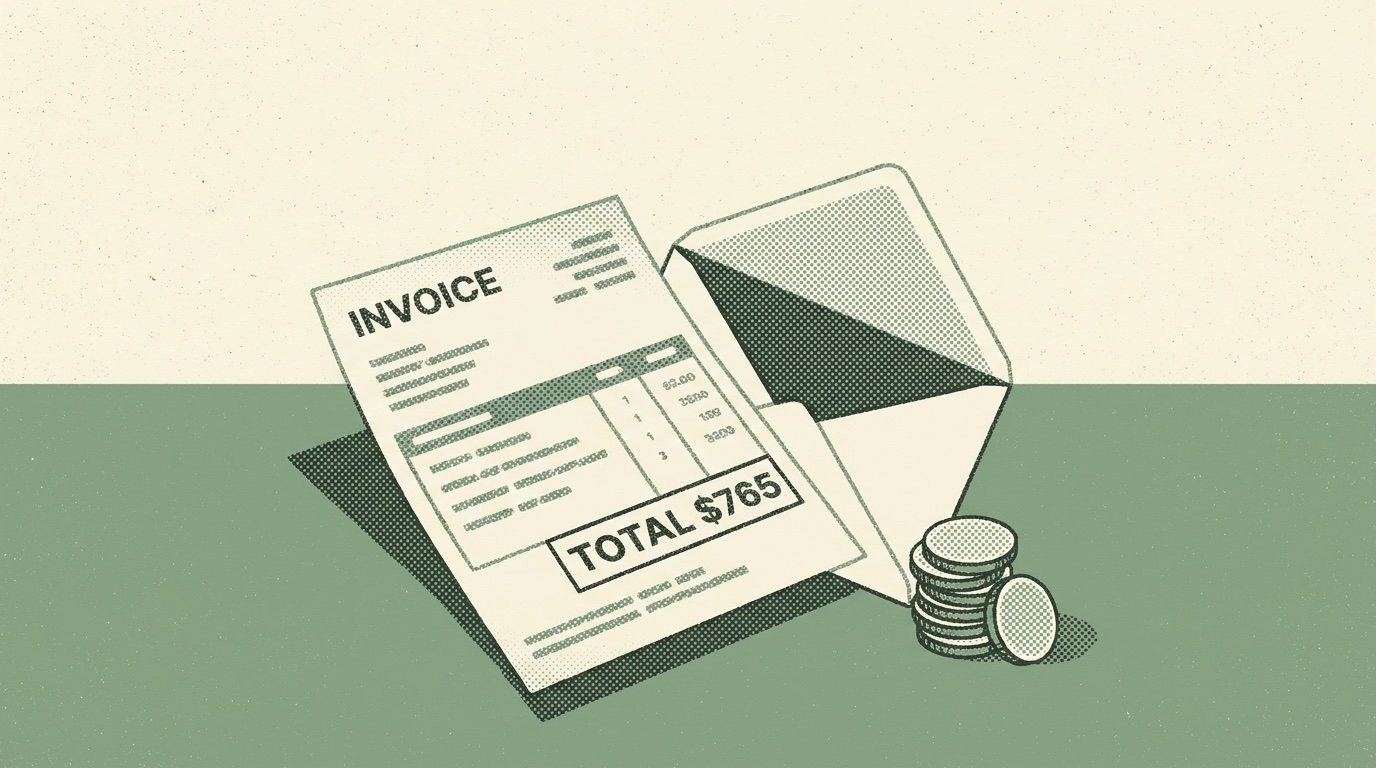
Getting paid starts with a good invoice. You can deliver excellent work, keep detailed records of your hours, and still slow your own cash flow by sending invoices that are confusing, incomplete, or easy to misplace. A clear, professional invoice tells clients this is a real business transaction — and makes it simple for them to pay you. Here's how to invoice a client correctly, from the fields every invoice needs to the habits that move money faster.
What belongs on every invoice
Your invoice is a financial document and a business record. Missing even one field can stall payment: a client who can't identify how to send money, or isn't sure what the amount covers, will set the invoice aside until they figure it out. Every invoice should include:
- Your name or business name, address, and contact information
- The client's name and billing contact
- A unique invoice number
- The invoice date and the payment due date — as a specific calendar date, not just 'Net 30'
- An itemized description of work completed, with quantities, rates, and line totals
- The total amount due, clearly labeled
- How to pay — bank transfer details, a payment link, or other accepted methods
When to send it
Send the invoice the day you deliver the work. Not the next morning, not after the weekend — the same day. The moment a client approves your work is the moment they're most engaged and most satisfied. Invoice then and you're working with goodwill. Wait a week and you're chasing an invoice they've already mentally moved past.
For longer projects, bill at milestones rather than waiting until final delivery. If a project spans three months, billing in phases means you're not waiting 90 days for your first payment — and the client's approval process stays fresh at each stage.
Hourly invoices vs. flat-fee invoices
Hourly invoices itemize time: hours worked, your rate, and the calculated total. Flat-fee invoices describe the deliverable and the agreed price — no hourly breakdown required. Both are legitimate; the right choice depends on what your contract says.
If you worked hourly, show your hours. Clients who agreed to a time-and-materials rate expect to see the log, and a transparent breakdown builds trust. If you quoted a flat fee, a single line item — 'Brand identity design: $2,500' — is clean and professional. You don't need to justify every hour.
Use payment terms that actually get you paid
Net 30 is common but not mandatory. For smaller projects, Net 14 or due on receipt is entirely reasonable — and meaningfully improves your average collection speed. Whatever terms you use, write the specific due date on the invoice, not just the term. A client who has to calculate the date themselves is a client who sometimes miscalculates.
Number every invoice consistently
A consistent invoice numbering format — INV-2026-001, or a client-prefixed code like ACME-005 — makes follow-up easy and your records clean. You can reference a specific invoice by number in an email, match it to an incoming payment instantly, and pull it up at tax time without digging through folders. Set your format on your first invoice and never change it.
Remove every obstacle to payment
The fewer steps between receiving an invoice and submitting payment, the faster you'll get paid. Put your payment details directly on the invoice: wire transfer instructions, a PayPal address, or a clickable payment link. If you accept multiple methods, list all of them — clients will use whichever fits their accounts payable process. Small frictions compound: an extra step is often a reason to wait.
HelmBill keeps time tracking and invoicing in one place: your logged hours roll directly into a draft invoice with your rate and client details already filled in. Review it, customize it, and send it — no copying numbers between tools, no hours falling through the gap between delivered and billed.
Follow up before it gets awkward
After sending a significant invoice, confirm receipt with a brief message: 'Just sent over invoice INV-2026-012 for the [project] work — let me know if you have any questions.' Then set a reminder for three days past the due date, not thirty. A prompt follow-up on a recent invoice lands very differently than an exasperated email after weeks of silence.
Invoicing well takes about five minutes per project — done the same day you deliver, with every field complete, a clear due date, and a payment link. Done consistently, those five minutes are among the most valuable you'll spend. The freelancers who get paid fastest aren't the ones who follow up the hardest; they're the ones who never give clients a reason to delay.
HelmBill tracks your billable hours and turns them into invoices — so you always know your real rate.
Try HelmBill free