Firing a Client Is Not a Last Resort
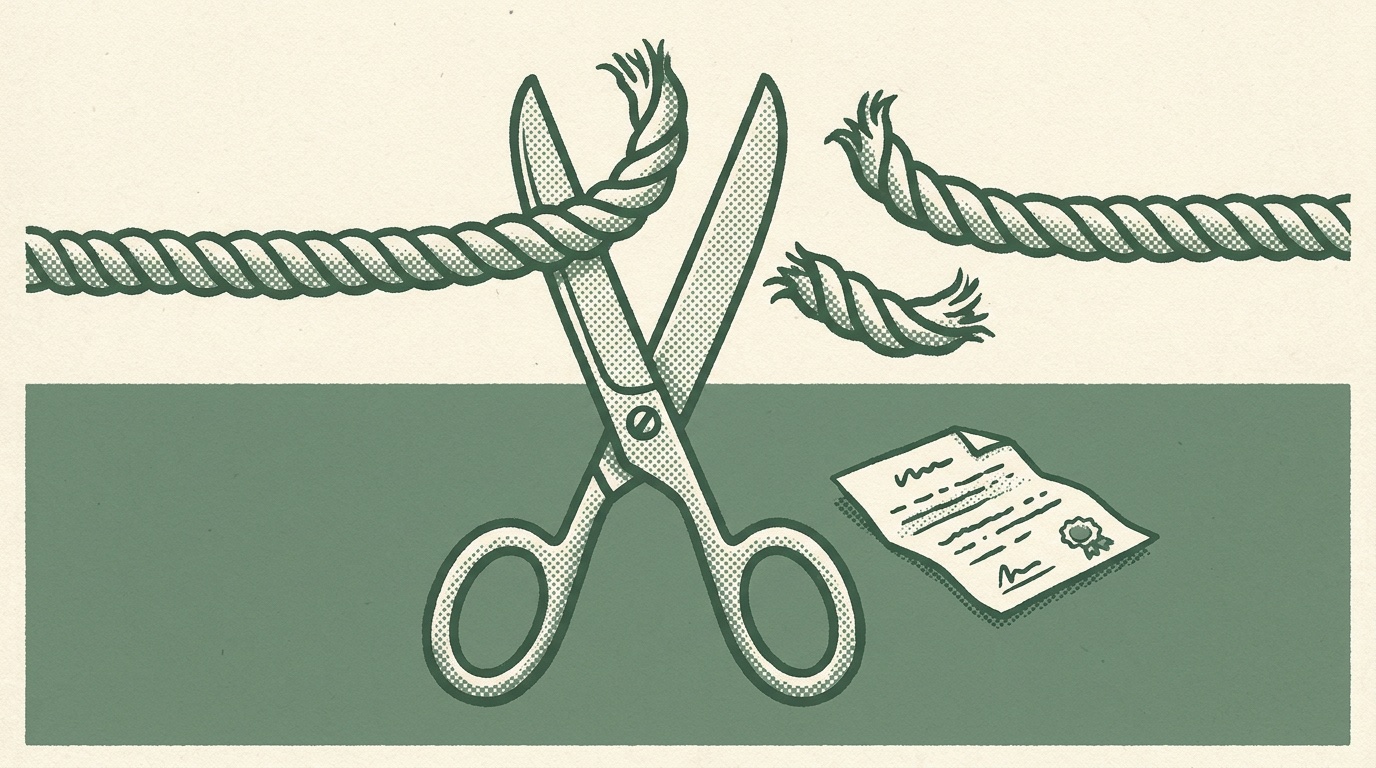
The invoice is paid, but every time your phone buzzes you feel a small drop in your stomach. The work itself is fine. The client is not. You have started mentally adding a stress premium when quoting new projects — a buffer against the next engagement like this one. That is a sign worth taking seriously.
The real cost of staying
Bad clients don't just consume your billable hours. They consume the space around them — the Sunday-night dread, the call you rehearse before picking up, the email draft you rewrite four times before landing on something safe. That cognitive overhead doesn't show up on any invoice. It shows up in your patience for everything else.
The math looks fine until you do it honestly. A two-thousand-dollar project from a difficult client is not the same as two thousand dollars from someone whose messages you open without hesitating. The difference isn't in your bank account — it's in the work you did afterward, whether you had anything left for it, and what you were willing to take on next.
The subtler cost is opportunity. Every hour of mental bandwidth a bad client occupies is an hour you didn't spend refining a proposal for someone who might have referred you, or doing the kind of work you'd actually want in your portfolio. Difficult clients crowd out better ones — not because there isn't time, but because you used up whatever enthusiasm you had left.
The signals worth trusting
Not every frustrating week means you should exit. Clients have hard stretches; projects run into legitimate complications. The signal is pattern, not incident:
- Negotiates the rate or scope after both were already agreed to in writing
- Treats your revision limit as a starting point for discussion
- Needs multiple follow-ups to give feedback or approvals that should take an afternoon
- Routes feedback through several people, none of whom have final authority to approve
- Assigns blame for delays to your side, including the delays caused by their own team
- Makes you dread opening their messages — not occasionally, but consistently
Any one of these is a flag. Three or more, sustained over more than a few weeks, is a pattern. The question isn't whether this client is difficult. It's whether the difficulty is getting better or getting worse.
The exit is shorter than you think
You don't owe a detailed accounting of what went wrong. You don't need to reference the contract, list grievances, or construct a careful argument for why the relationship isn't working. 'After this project wraps, I won't have capacity to continue' is a complete sentence. So is 'I've decided to refocus my practice in a different direction.' You're not required to prove your case. You're ending a business engagement.
Give the notice your contract specifies — typically 30 days for ongoing retainers, or simply the current project's natural endpoint. Finish what you committed to. Deliver clean files and handoffs. Don't let a bad working relationship become a bad exit that follows you into a reference call a year from now.
The freelancers who end up with mostly good clients didn't stumble into luck. They stopped treating exit as an admission of failure and started treating it as a routine business decision — the same as any other choice about who to work with and for how much. Every slot a difficult client occupies is one that could go to someone whose problems interest you, whose work you'd show in a pitch, and whose messages you'd open without the drop in your stomach. That is the only calculation that matters.
HelmBill tracks your billable hours and turns them into invoices — so you always know your real rate.
Try HelmBill free